What is the best time to visit Morocco?+
Spring (Mar–May) and autumn (Sep–Nov) are most comfortable across all regions. Summer is very hot in the Sahara but ideal for high-altitude trekking. Winter is mild in cities and magical in the desert at night.
Do I need a visa?+
USA, UK, EU, Canada, and Australia don't need a visa — 90-day stamp on arrival. Check your specific passport if you're unsure.
What currency is used?+
Moroccan Dirham (MAD). ATMs are widely available. Carry cash for souks, tips, and rural areas.
What should I pack?+
Light layers, modest clothing for medinas and mosques, comfortable walking shoes, sun protection, and any prescription medication.
Is the tap water safe?+
Drink bottled or filtered water throughout Morocco. Your accommodation will provide it.
What is a riad?+
A traditional Moroccan house built around a central courtyard. Intimate, beautifully decorated, locally owned. We select riads for character and hospitality, not star ratings.
What is Moroccan food like?+
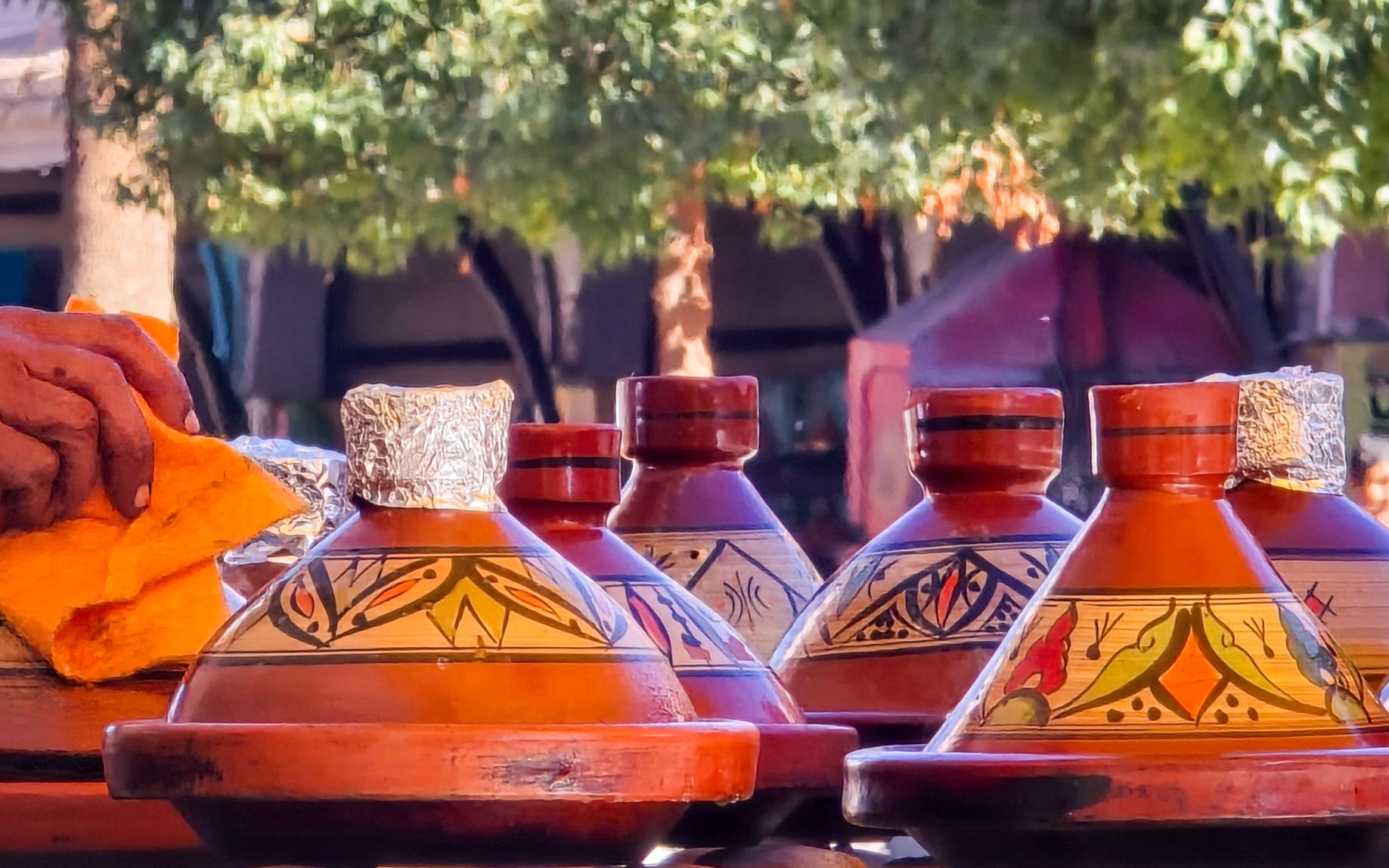
Tagines, pastilla, couscous, harira, fresh sfenj. Rich, aromatic, slow-cooked. Vegetarian options are widely available. Food hygiene at quality riads and restaurants is excellent.
Will I experience genuine culture?+
This is the core of what we do. Jaouad grew up in the High Atlas — Amazigh heritage runs through everything. We visit homes, eat where locals eat, take paths that don't appear in guidebooks.
Is Morocco safe?+
Morocco is generally safe and welcoming. A knowledgeable local guide eliminates most friction. Modest dress is appreciated. Solo women travellers should be aware of unsolicited attention in busy medinas.
What vaccinations do I need?+
No vaccinations are legally required. Recommended: Hepatitis A, Typhoid. Keep tetanus up to date. Consult a travel health clinic 4–6 weeks before departure.
What are the emergency numbers?+
Medical: 15 · Police: 19 · Gendarmerie: 177. Your guide is always your first contact. We provide a 24/7 WhatsApp number to all active guests.