Eleven places, four kinds of Morocco
Morocco isn't one destination — it's several, stitched together. Explore them on the map below, or tell us how you want to feel and we'll build the itinerary that connects the right ones for you.
Click any point on the map
Every pin is a place we can take you. Click one to read about it, or browse the list — the two stay in sync.
 1
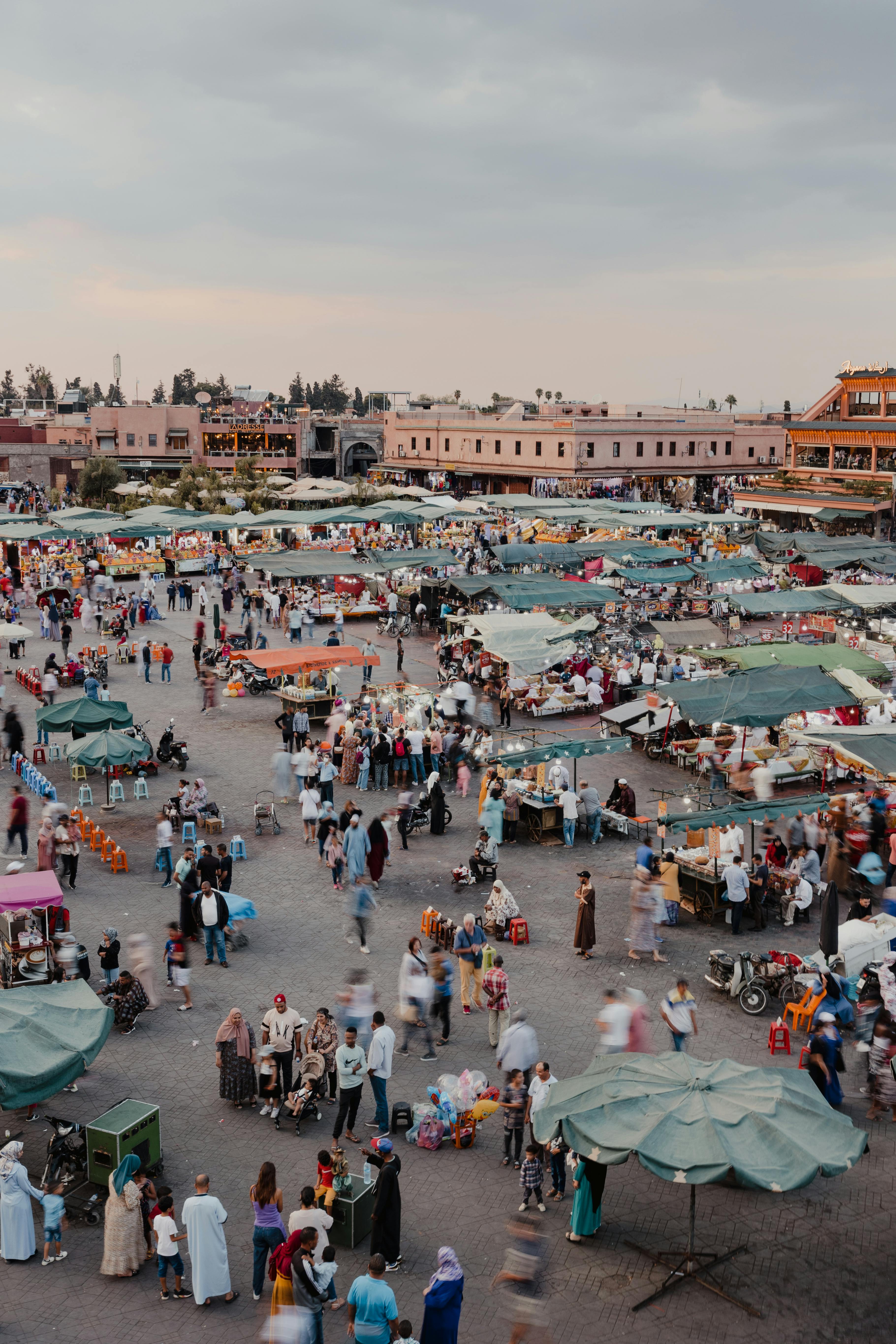
1Marrakech
Snake charmers at dusk, a thousand souk alleys, and gardens Yves Saint Laurent couldn't leave. Marrakech never sits still. Founded in 1070 and still the country's beating heart, it is a city of two halves: the medina, where donkeys and mopeds share lanes barely wide enough for both, and Gueliz, where the cafés would not look out of place in Paris. Jemaa el-Fna fills at sunset with storytellers, musicians and food stalls — chaotic if you arrive alone, extraordinary with someone who knows which stall to stop at. Give it three days.
 2
2Fes
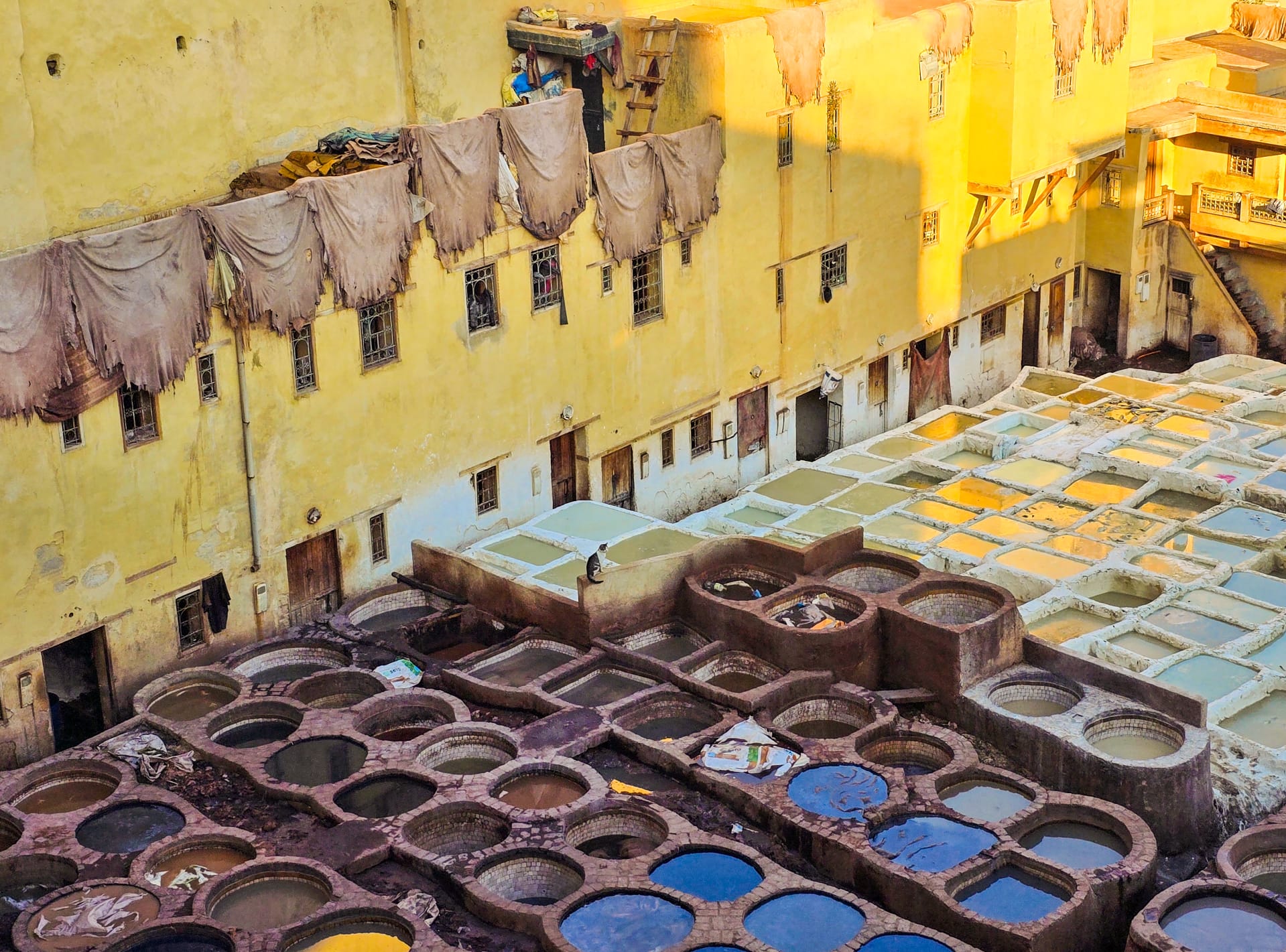
Nine thousand lanes, no cars, and the world's oldest university still teaching. Fes el Bali has barely changed in a thousand years — the tanneries still work by hand, the brass-beaters still keep the same rhythm, and bread still goes to the neighbourhood oven each morning. Al-Qarawiyyin was founded in 859 by a woman, Fatima al-Fihri, and holds the title of the oldest continuously operating university on earth. It is the one Moroccan city where a guide is not a luxury but a necessity.
 3
3Rabat
The capital, and the calmest of the imperial cities. Rabat wears its status lightly: wide boulevards, a tram, and an Atlantic breeze that keeps it cool when Marrakech is baking. The Kasbah of the Udayas falls to the river in blue-and-white lanes, the Chellah is a Roman city that storks have colonised, and the Hassan Tower has stood unfinished since 1199. Most tours pass through in two hours. It deserves longer.
 4
4Casablanca
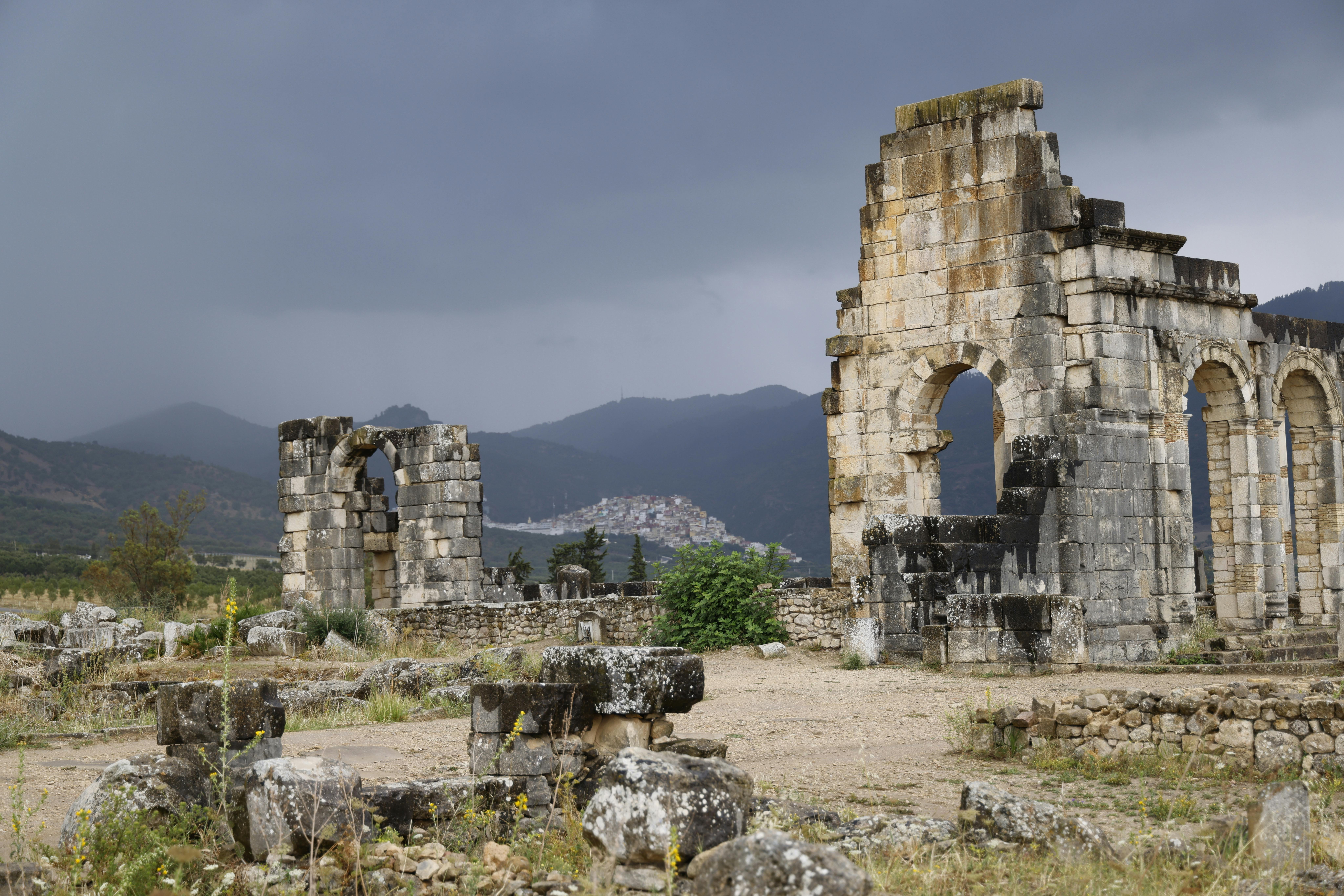
Morocco's largest city and the one most travellers skip — usually a mistake. The Hassan II Mosque is the reason to stop: its minaret is the tallest in the world at 210 metres, part of the floor is glass above the Atlantic, and it is one of the very few mosques in Morocco non-Muslims may enter. Beyond it, Casablanca is the working, modern country — Art Deco boulevards from the French era, a serious food scene, and almost no tour groups.
 5
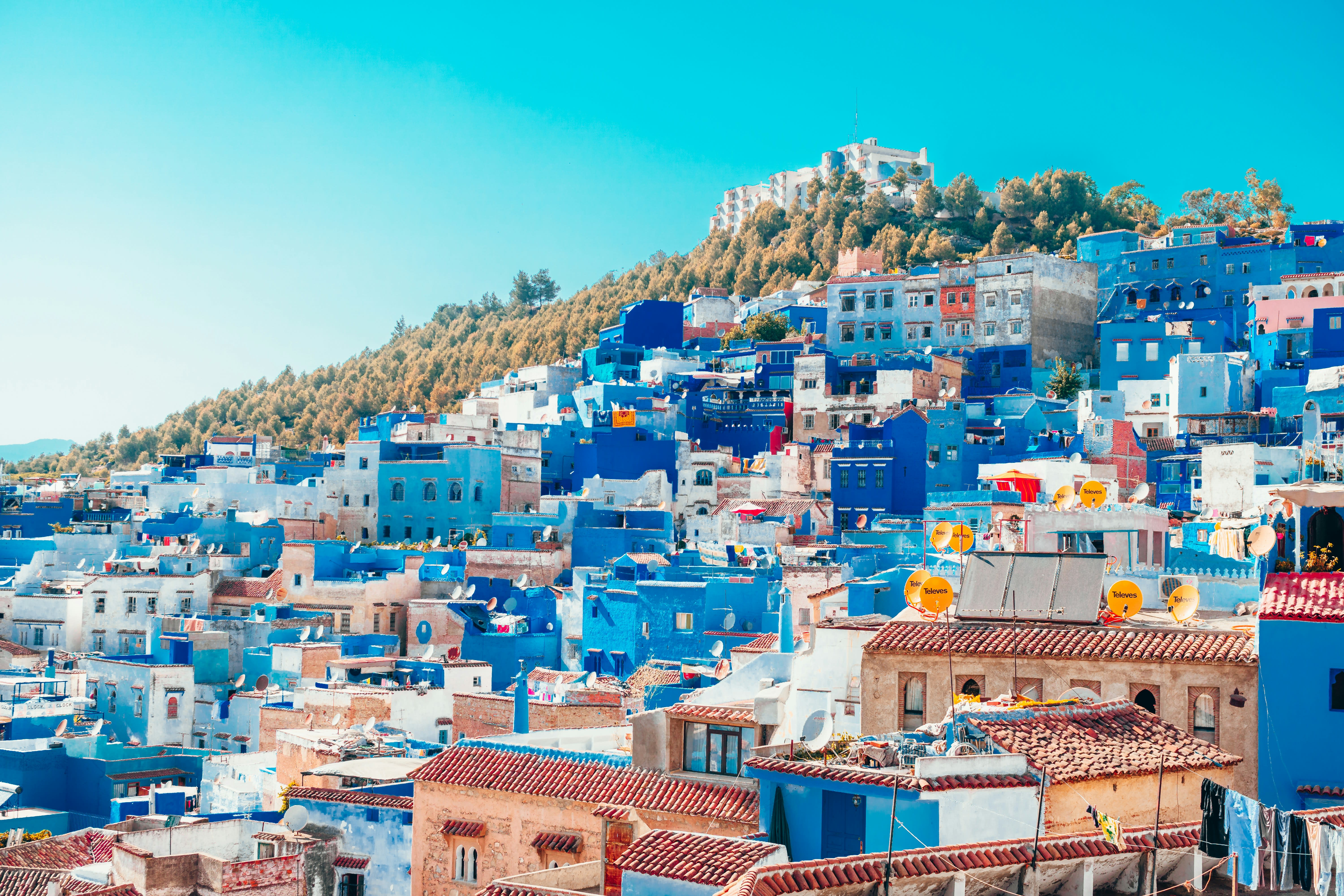
5Chefchaouen
The blue city, and far more than a photograph. Chefchaouen was founded in 1471 and painted blue by Jewish refugees in the 1930s — the colour has been renewed by hand every year since. Set in the Rif mountains at 600 metres, it is cool when the rest of Morocco is not, and the pace is slower than anywhere else in the country. Come before the coaches arrive at ten and the streets belong to cats, old men and you.
 6
6Essaouira
Marrakech's opposite, three hours west. Essaouira is white walls, blue shutters, Atlantic wind and gulls — a working fishing port where lunch is whatever came in that morning, grilled on the quay. Orson Welles filmed Othello on the ramparts; Jimi Hendrix came in 1969 and the town has traded on it ever since. Thuya wood workshops, argan cooperatives in the hills, and kitesurfers on a beach that goes on for miles.
 7
7Merzouga & Erg Chebbi
Camel treks at sunset, a Berber camp under more stars than you knew existed, and dunes that rise nearly 150 metres.
 8
8Dadès & Todra Gorges
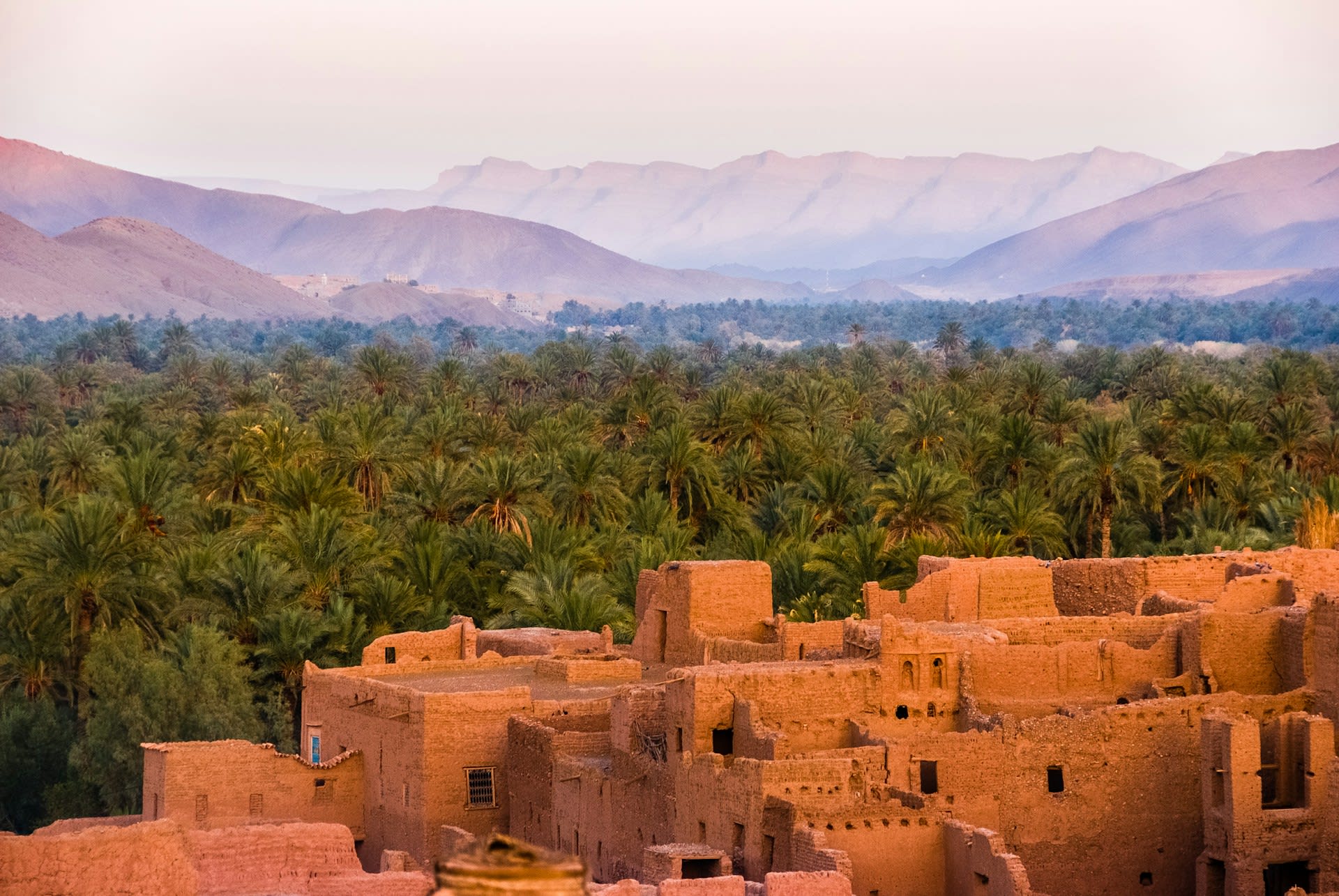
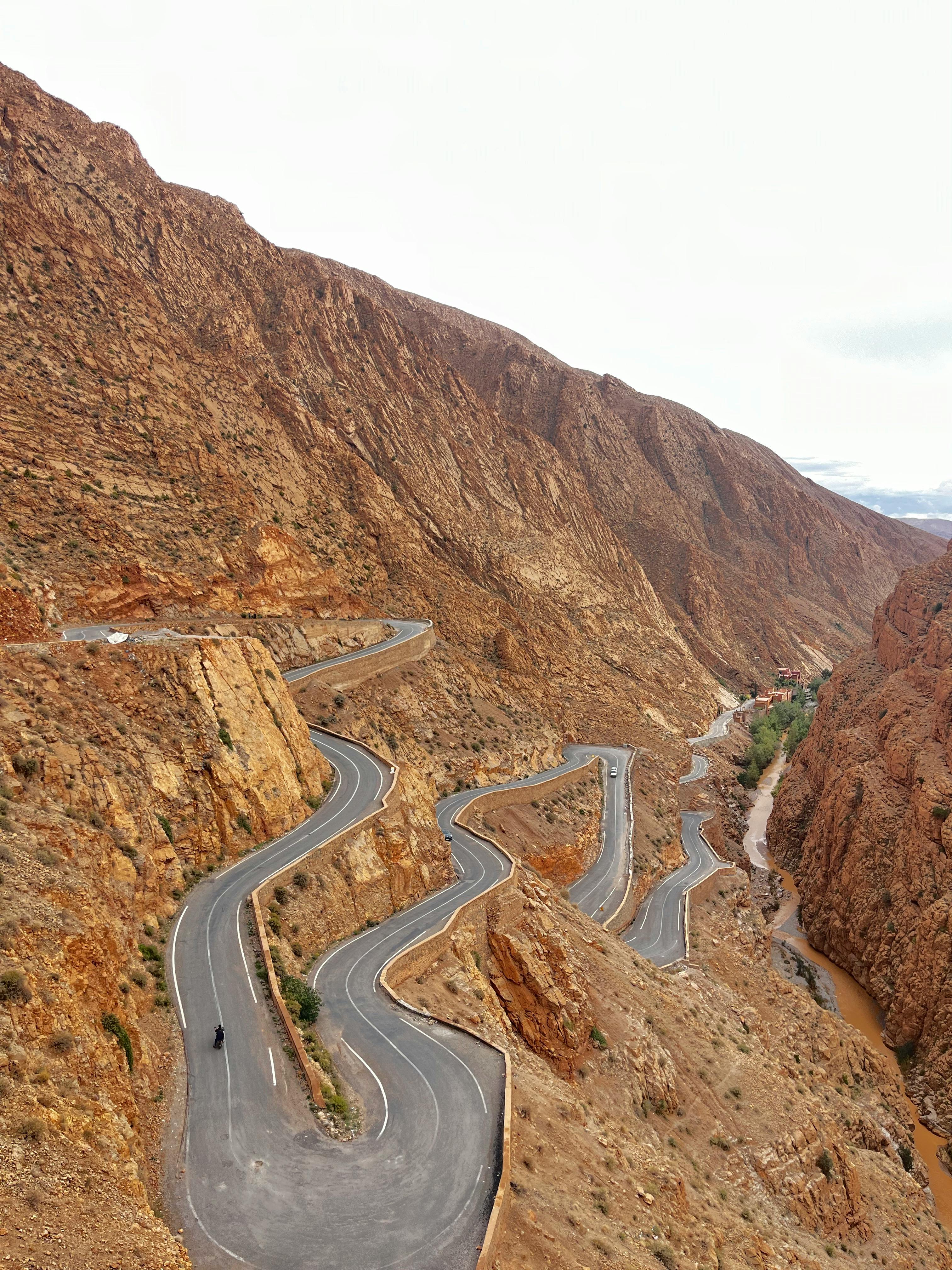
Rust-red cliffs cut by ancient rivers, switchback roads, and Berber villages tucked into the rock — the road to the desert is half the story.
9High Atlas Mountains
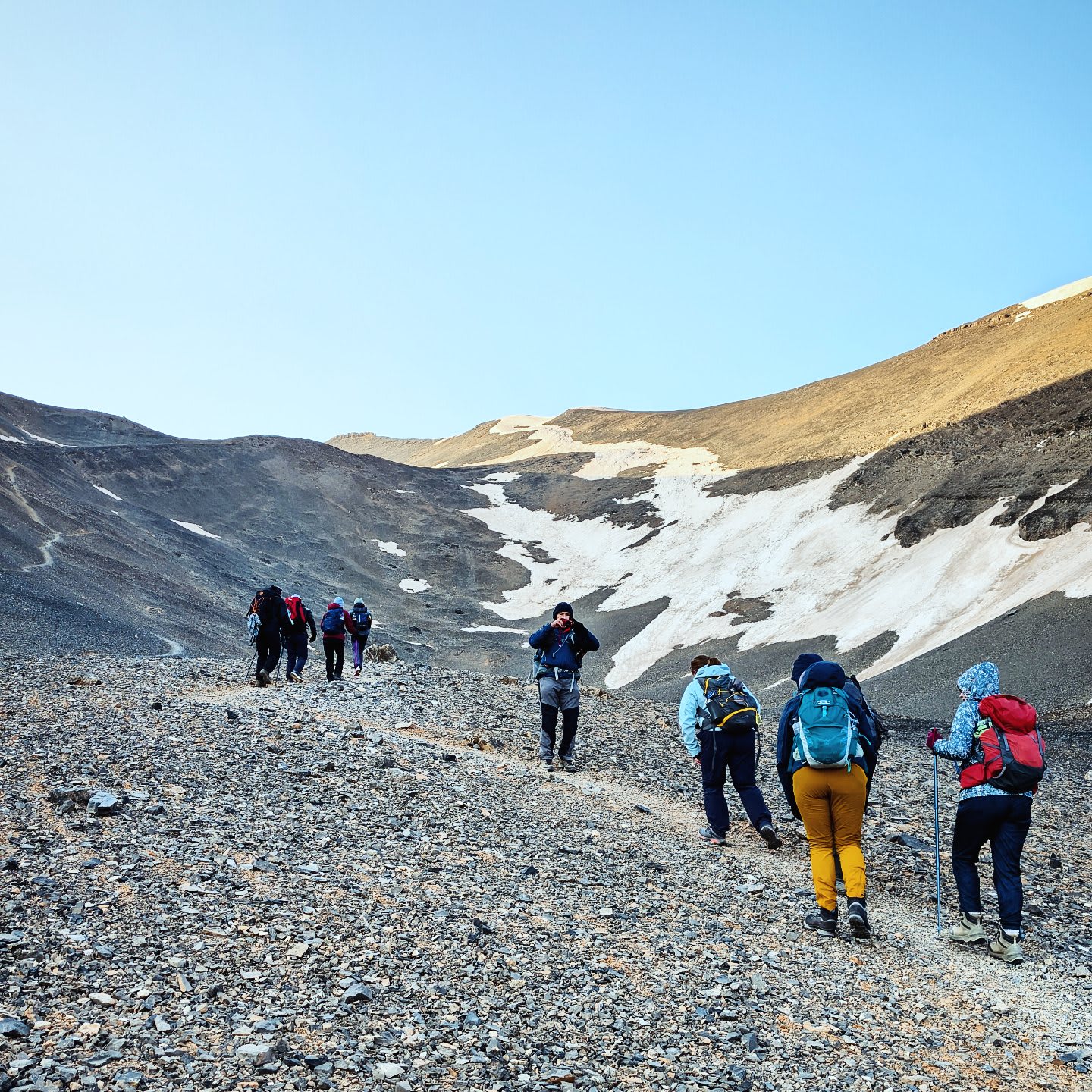
The mountains that made Morocco. The High Atlas runs 700 kilometres and tops out at Jebel Toubkal, 4,167 metres and the highest point in North Africa. This is Amazigh country — the language in the valleys is Tashelhit, not Arabic, and the villages are built from the same earth they stand on. Walnut groves, terraced barley, mule tracks and a hospitality that is genuinely hard to refuse. Jaouad grew up here.
 10
10Aït Benhaddou & Ouarzazate
A fortified mudbrick city so cinematic it's stood in for a dozen film sets — and still, real families live within its walls.
Which Morocco is calling you?
Tell us the regions and moods that speak to you, and Jaouad will design an itinerary that links them — at your pace, in your style.